Comprehensive Marine Biodiversity Survey II (CMBS II) 综合海洋生物多样性调查第二期(CMBS II)
NUS / LKCNHM · Singapore · Oct 2024 - Present 新加坡国立大学 · 李光前自然历史博物馆 · 2024年10月至今
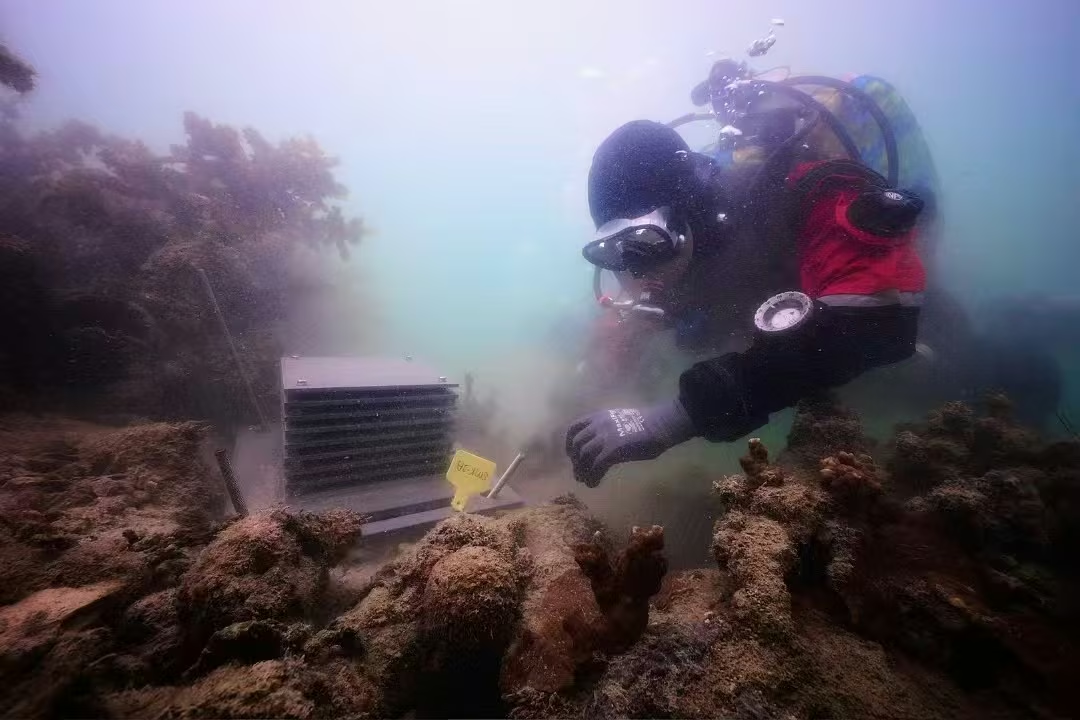
Phase two of the landmark Comprehensive Marine Biodiversity Survey, led by the Lee Kong Chian Natural History Museum (LKCNHM) at the National University of Singapore, in collaboration with the National Parks Board (NParks). The project runs a systematic underwater documentation programme across Singapore's reef systems - one of the most important marine biodiversity records in Southeast Asia.
As a scientific diver on this survey, I joined marine biologists and researchers from October 2024, deploying and recovering ARMS units across Singapore's waters. The first year of deployments completed in November 2025, with that data now in analysis. The survey continues through its second year.
这是由新加坡国立大学李光前自然历史博物馆(LKCNHM)与国家公园局(NParks)联合主导的综合海洋生物多样性调查第二期,对新加坡各礁区进行系统性水下记录,是东南亚最重要的海洋生物多样性数据库之一。
作为科学潜水员,我从2024年10月起参与项目,与海洋生物学家和研究人员并肩工作,在新加坡各水域进行ARMS设备的布放与回收。第一年的布放工作已于2025年11月完成,数据正在分析处理中;调查将持续进入第二年。
ARMS stands for Autonomous Reef Monitoring Structures, a concept developed by the Smithsonian Institution in the 2000s. Each unit is a stack of interlocking plastic plates designed to mimic the layered complexity of a coral reef, creating sheltered crevices for small marine organisms to colonise.
Think of them as miniature hotels for reef life: crustaceans, burrowing worms, sponges, algae, and other invertebrates move in over time. After a deployment period (typically six months to a year), the structures are retrieved and taken to the lab. Using DNA metabarcoding technology, researchers can rapidly identify every species that colonised the unit, building a precise picture of reef biodiversity and how it shifts over time.
ARMS are low-cost, standardised, and globally comparable. Data feeds into an open-access international database, allowing scientists worldwide to track the effects of climate change, pollution, and coastal development on reef communities across oceans.
ARMS即自主礁区监测结构(Autonomous Reef Monitoring Structures),是美国史密森学会于2000年代开发的技术。每套装置由多层互扣塑料板叠置而成,模拟珊瑚礁的层叠结构,为小型海洋生物创造可供定居的庇护缝隙。
可以把它们想象成礁区生物的"迷你旅馆":甲壳类、穴居蠕虫、海绵、藻类及各类无脊椎动物会随时间陆续入驻。经过六个月至一年的布放期后,装置被打捞回岸,送往实验室。借助DNA宏条形码技术,研究人员可快速鉴定定居于装置上的每一个物种,精准描绘礁区生物多样性图谱,并追踪其随时间的变化趋势。
ARMS成本低廉、标准统一,数据可与全球比对。调查数据汇入开放的国际数据库,供全球科学家追踪气候变化、污染和海岸开发对各大洋礁区群落的影响。
October 2024: First deployment. 42 ARMS units installed across Singapore's waters, anchored at reef edges to minimise ecosystem disruption. Each unit placed to attract colonising organisms over the coming year.
November 2024: The project was featured in the Straits Times, covering the NUS-NParks collaboration and the ARMS methodology. A good reminder that people are paying attention to what happens on Singapore's reefs.
January 2025: Project upgrade. Light intensity and temperature monitoring modules were added to the ARMS units, expanding the dataset beyond species presence to include environmental conditions, a richer foundation for understanding how ecosystem changes drive community shifts.
April 2025: Mid-project recovery and redeployment completed. With the final sensor recovery, the team entered a three-month data organisation and archiving phase. Notable sightings during this round: unusually large squid and Singapore's shyer residents: sharks. My third shark encounter in local waters.
November 2025: First-year ARMS recovery. The opening year of deployments came full circle: all structures retrieved, catalogued, and handed to the NUS team for lab analysis. Year two of the survey now begins. Hoping the data tells a good story.
2024年10月:首批布放。42套ARMS装置安置于新加坡各水域礁区边缘,选址尽量把对生态系统的干扰降到最低,静待生物在此后一年间陆续定居。
2024年11月:项目登上《海峡时报》,报道聚焦NUS与NParks的合作以及ARMS技术方法论。新加坡人在关注自己礁区的未来,这提醒着我们这项工作的意义。
2025年1月:项目升级。ARMS装置新增光照强度与温度监测模块,数据维度从物种存在与否扩展至环境条件记录,为理解生态系统变化如何驱动群落演替提供更坚实的科学基础。
2025年4月:中期回收与重新布放完成。随着最后一批传感器回收入水,团队进入为期三个月的数据整理与归档阶段。本轮潜水观察到体型异常巨大的乌贼,以及在新加坡水域并不多见的鲨鱼。这是我在本地水域的第三次鲨鱼邂逅。
2025年11月:第一年回收。首年布放周期画上句号,所有装置完成打捞、编目,移交NUS团队进行实验室分析。调查正式进入第二年,期待数据能带来好消息。
Scientific diving is a different discipline from recreational or technical diving - the objective is precise, the protocol is structured, and the environment is the workplace. Singapore's waters are warm, often low-visibility, and silty in ways that reward patience. You learn to move slowly, navigate by feel as much as sight, and document what you find without disturbing the substrate.
Over the course of this project I covered reefs across multiple Singapore islands and sites, working alongside a team that included biologists, photographers, and fellow divers. Dolphin Explorer provided vessel support for many of the offshore operations. The team persisted through heat, tidal shifts, and surface chop that would have called off less committed dives.
The best moments are always the unexpected ones. The squid hovering motionless over a recovery site. The shark passing in the murk, unhurried. The moment you pull a year-old ARMS unit off the seabed and see how thoroughly it has been colonised - every crevice inhabited, the plastic plates barely visible under layers of marine growth. That is what the data looks like before it becomes a spreadsheet.
科学潜水与休闲潜水或技术潜水是截然不同的工作状态,目标明确,流程规范,海底就是工作场所。新加坡水域水温高、能见度时常有限,底质泥沙容易被扰动,这种环境锻炼的是耐心。你学会缓慢移动,凭感知导航,在不扰动基底的前提下记录所见。
整个项目周期内,我在新加坡多个岛屿和潜水点完成了大量潜次,与生物学家、摄影师和其他潜水员共同作业。许多离岸作业由Dolphin Explorer提供船务支持。团队在高温、潮汐变化和水面涌浪的考验下坚持完成每一个任务。
最好的时刻永远是那些意外相遇:悬停在回收点上方纹丝不动的巨型乌贼;在昏暗水体中从容游过的鲨鱼;当你把在海底沉睡了整整一年的ARMS装置提起来,看见它已被生命彻底占据,每一道缝隙都有居民,塑料板几乎被厚厚的海洋附着物遮盖。那就是数据变成表格之前的样子。