The Ghost Fleet - Diving Truk Lagoon 幽灵舰队:潜入楚克泻湖
Eighty years ago the most powerful naval base in the Pacific sank in two days. This is what is left of it. 八十年前,太平洋上最强大的海军基地在两天内沉入海底。这是它留下的样子。
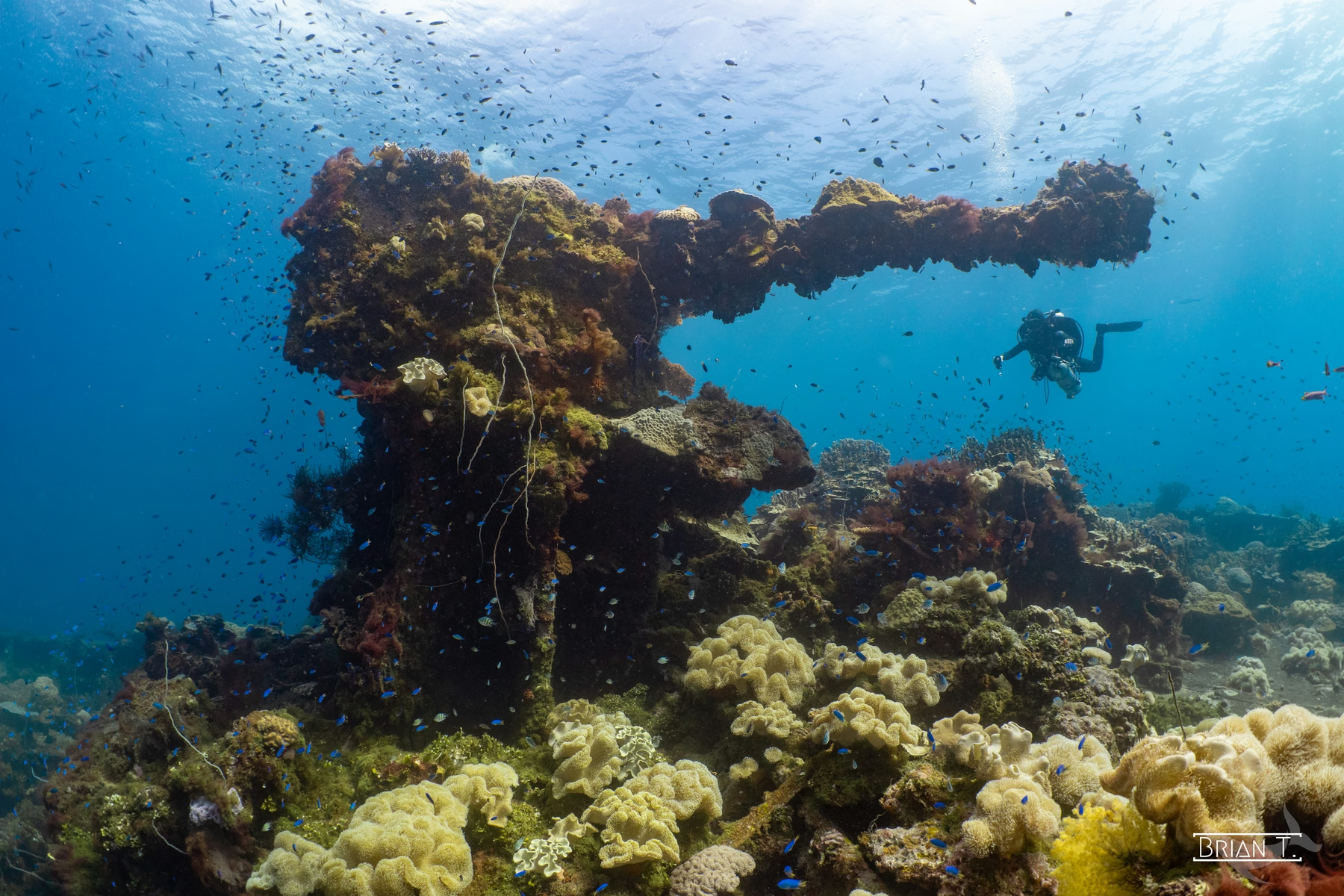
The dive at the top of the list 潜水愿望单上的头号目的地
Every wreck diver keeps a list. At the very top of mine, underlined for years, was a single name: Truk Lagoon.
In December 2025 I finally went - eight days and seven nights with Masters Liveaboard out of Chuuk, Christmas spent at anchor above a sunken fleet. This was the dive I had been saving up for: saving up skill, saving up nerve, saving up anticipation across most of a diving life. It did not disappoint. Almost nothing in diving ever fully lives up to its legend. This did.
Truk Lagoon (the wartime spelling was Truk; the modern name is Chuuk) is a vast atoll in the Federated States of Micronesia: a ring of reef some sixty kilometres across, enclosing a sheltered lagoon big enough to hide a navy. During the Second World War it did exactly that. The Allies called it "the Gibraltar of the Pacific." Today it is something else entirely: the largest ship graveyard on Earth.
每个沉船潜水员心里都有一张清单。我那张清单的最顶端,被反复划线、惦记了许多年的,只有一个名字:特鲁克泻湖。
2025年12月,我终于去了,一趟从楚克出发、八天七夜的 Masters Liveaboard 船宿,圣诞节就在一支沉睡的舰队上方下锚度过。这是我攒了很久的一潜:攒技术,攒胆量,也攒了大半个潜水生涯的期待。它没有让我失望。潜水里几乎没有什么能完全配得上它的传说,而这里做到了。
特鲁克泻湖,战时拼作 Truk,今天的名字是楚克(Chuuk),是密克罗尼西亚联邦的一座巨型环礁:一圈直径约六十公里的珊瑚礁,圈住一片足以藏下一支海军的潟湖。二战期间,它做的正是这件事。盟军称它为"太平洋的直布罗陀"。而今天,它是另一样东西,地球上最大的舰船坟场。
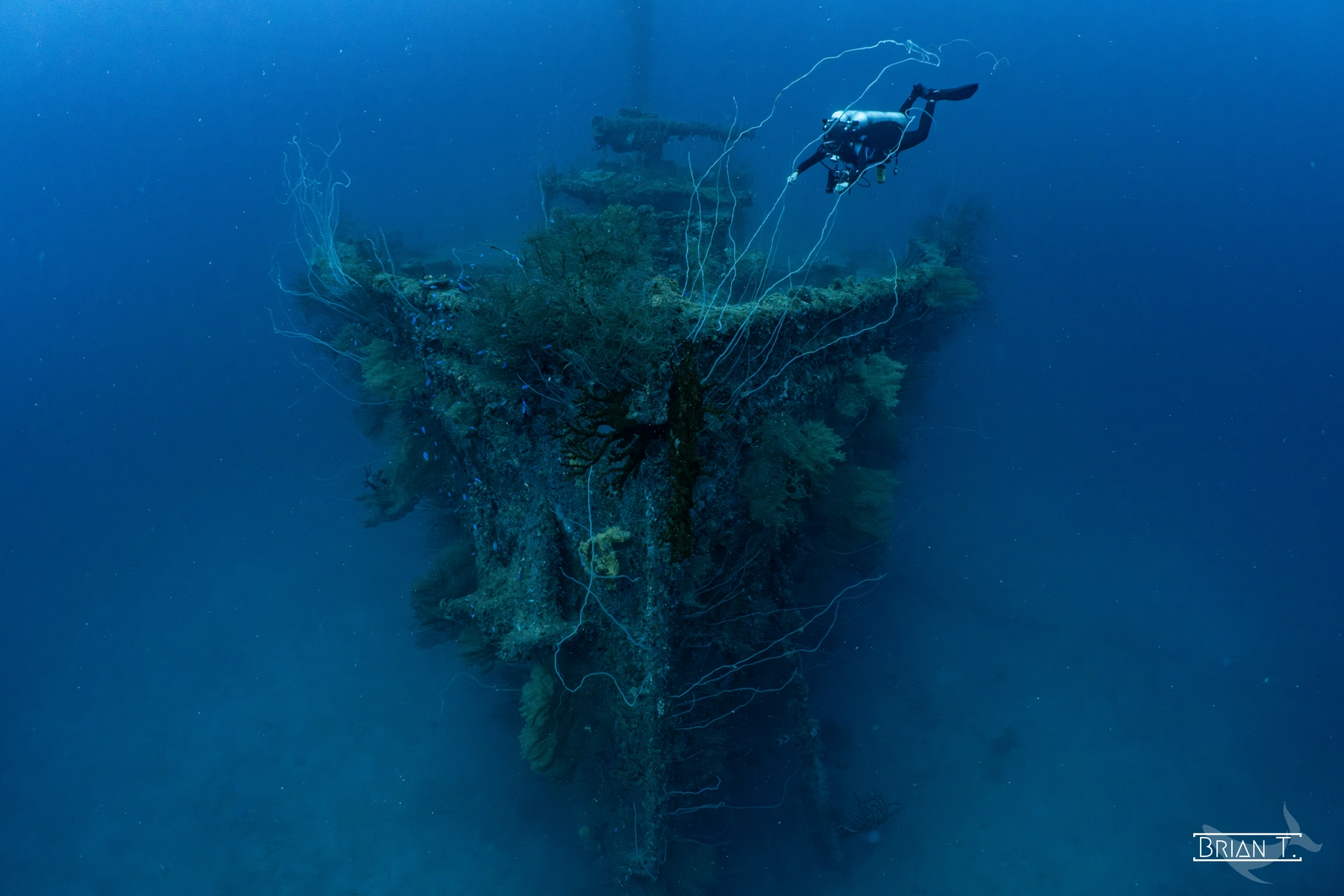
Operation Hailstone 冰雹行动
By February 1944 the tide of the Pacific war had turned. Truk's anchorage was crowded: cargo ships, oil tankers, submarine tenders, hundreds of aircraft, the supply heart of Japan's island front line.
On the 17th and 18th of February, the United States launched Operation Hailstone. Carrier aircraft from Task Force 58 came in over the reef in waves, for two days without pause. When they finally left, more than forty ships and roughly two hundred and fifty aircraft were gone - close to two hundred thousand tons of shipping settling onto the lagoon floor. The "Gibraltar of the Pacific" never recovered.
But the ships did not vanish. They sank into eighteen, thirty, sixty metres of warm, clear water - and they stayed. Holds still packed with the cargo of a war: trucks, tanks, aircraft, artillery shells, medicine, sake, china, gas masks. A single moment of 1944, pressed flat and held under glass.
到1944年2月,太平洋战争的局势已经逆转。特鲁克的锚地挤满了船,货轮、油轮、潜艇母舰,还有数百架飞机,它是日本岛屿前线的补给心脏。
2月17日和18日,美军发动了"冰雹行动"(Operation Hailstone)。第58特遣舰队的舰载机一波接一波越过环礁,持续轰炸了整整两天。当他们终于离开时,四十多艘舰船、约两百五十架飞机已不复存在,近二十万吨的运力,沉落在泻湖底。这座"太平洋的直布罗陀"再也没能恢复。
但这些船并没有消失。它们沉入十八米、三十米、六十米深的温暖清澈的海水里,然后留在了那里。货舱里依旧塞满了一场战争的货物:卡车、坦克、飞机、炮弹、药品、清酒、瓷器、防毒面具。1944年的某一个瞬间,被压平、封存在玻璃之下。
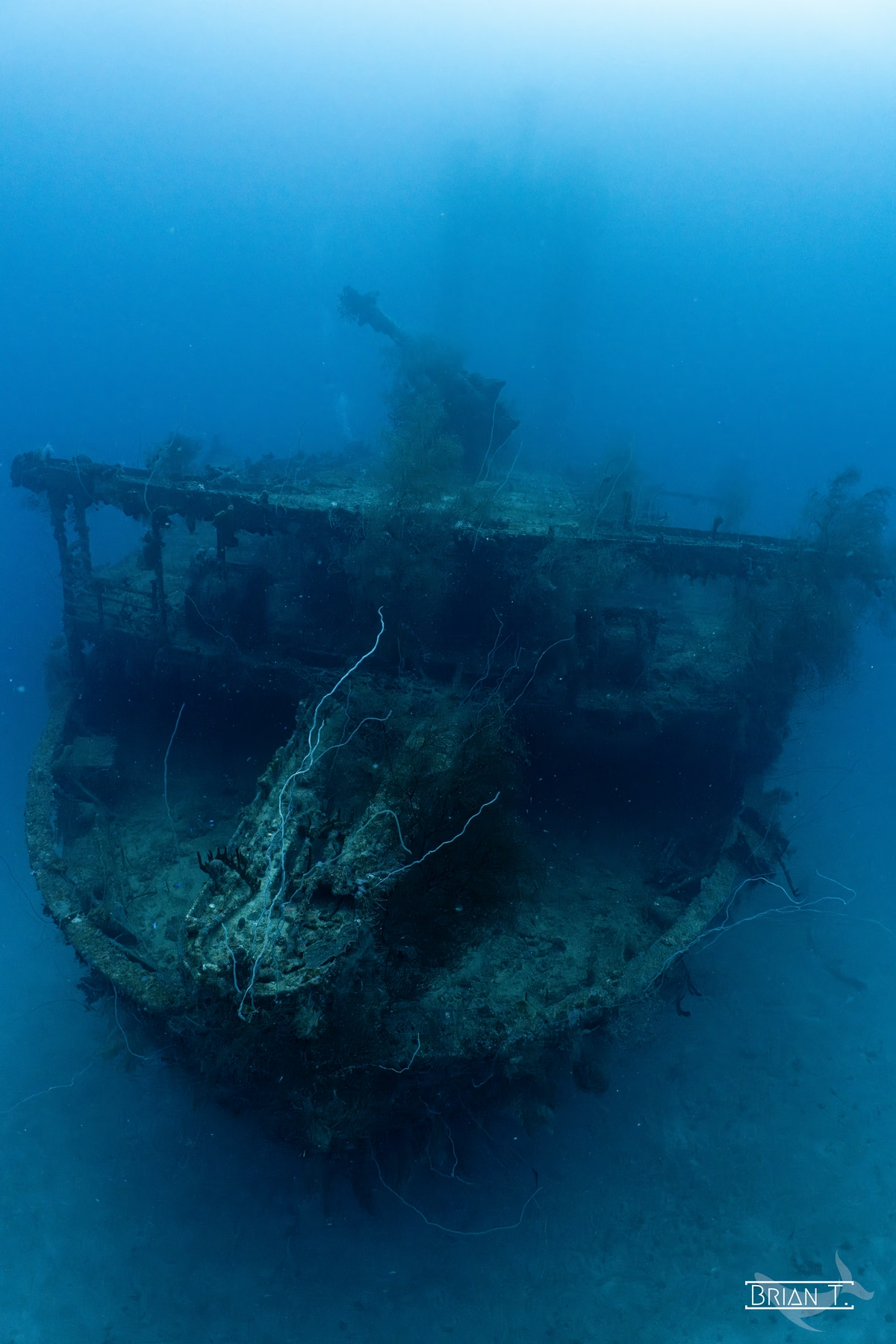
Following the line into the blue 顺着下潜线,潜入蓝色
Getting there is its own slow ritual - a long flight to Guam, another hop to Chuuk, then a small boat out to the liveaboard that becomes home. The torment, as I wrote at the time, begins well before the diving does.
And then you are there. You roll off the boat into water so warm it barely registers, find the descent line, and follow it down. For a while there is only blue. Then the blue begins to resolve into something that should not be there: a mast, a kingpost, a deck rail, and then the whole impossible length of a ship, lying quietly on its side, exactly where it has been for eighty years.
It is a strange, vertiginous feeling: the moment a shape you know from black-and-white photographs becomes a real object you are about to swim through.
去到那里本身就是一场缓慢的仪式,先飞很久到关岛,再转一程到楚克,然后坐小船出海,登上那艘将成为家的船宿。正如我当时写的:折磨,往往在潜水真正开始之前就开始了。
然后,你就到了。你从船舷翻身入水,水温暖得几乎让人忘了它的存在;找到下潜线,顺着它往下走。有那么一阵,眼前只有蓝色。接着,蓝色开始凝结成一些本不该出现在这里的东西,一根桅杆,一座吊杆柱,一道甲板栏杆,然后是一整艘船那不可思议的长度,安静地侧躺着,就在它八十年来一直所在的位置。
那是一种奇异的、令人眩晕的感觉:你在黑白照片里认识的那个轮廓,此刻变成了一个真实的物体,而你正要从它身体里穿过去。
A supply line, frozen mid-delivery 一条停在半路上的补给线
Most of the wrecks at Truk are not warships. They are Marus - merchant cargo ships, requisitioned and pressed into naval service, and they went down with their holds full. To drop into a cargo hold here is to open a time capsule of a logistics operation that never finished.
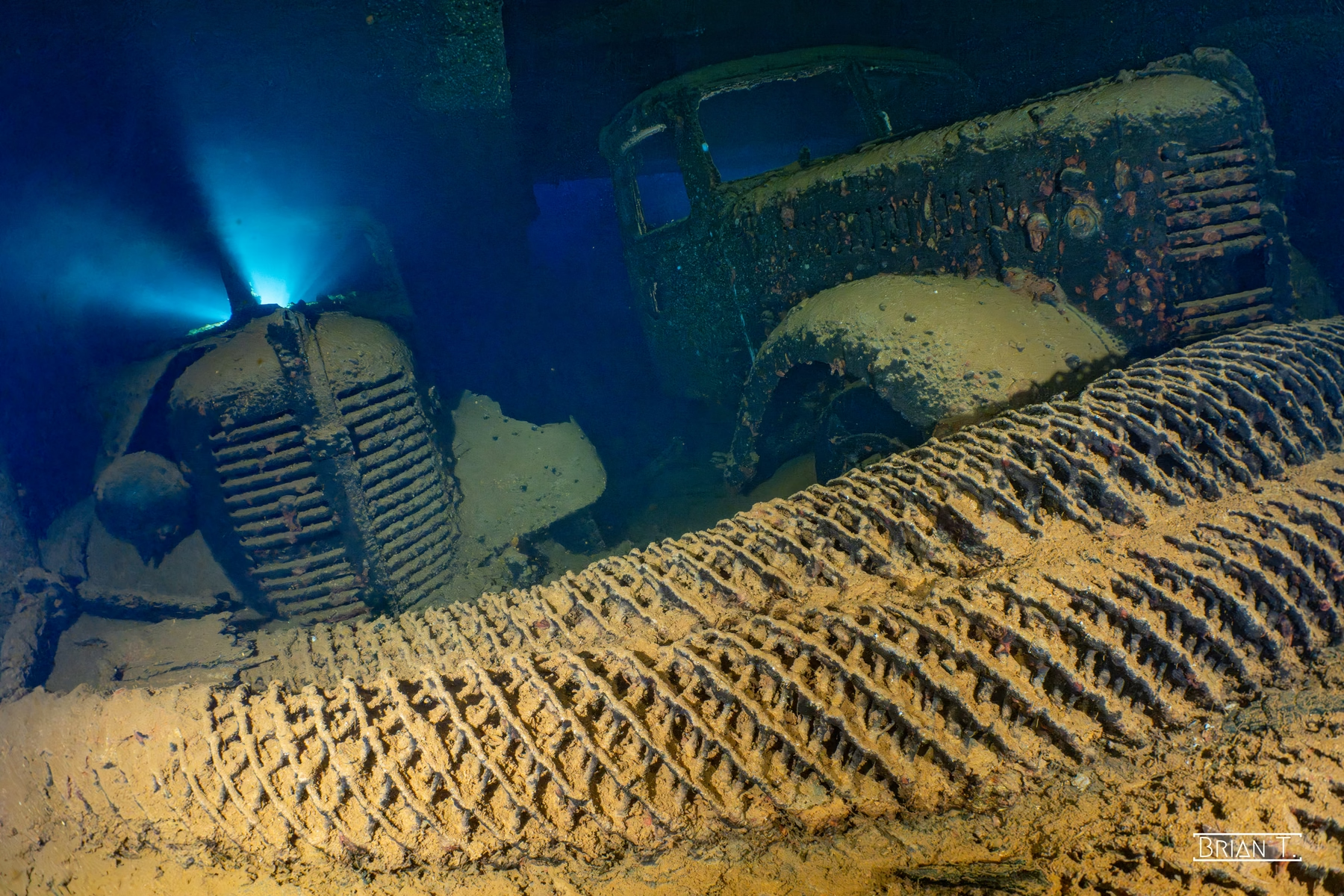
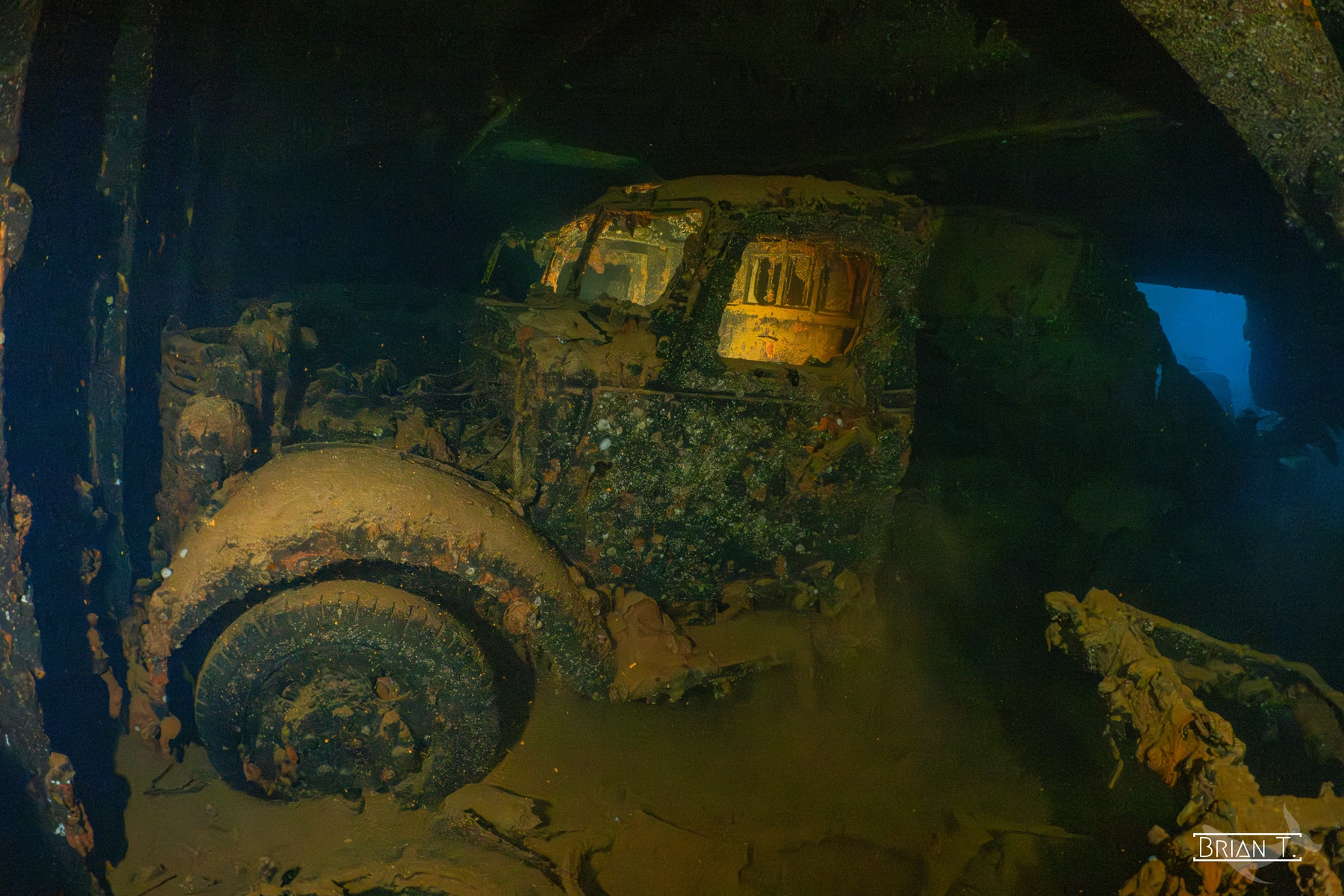
On Hoki Maru, a ship the Japanese had themselves captured from the Allies earlier in the war, one hold is a garage. Trucks sit nose to tail in the dark, a bulldozer, fuel tankers, headlights still aimed forward into water that will never clear for them. Other holds hold aircraft, broken down for transport: wings stacked, fuselages folded, the engines of a war that was being shipped to the front one crate at a time.
特鲁克的沉船大多并不是军舰。它们是"丸",被征用、编入海军服役的商用货轮,而它们沉没时,货舱是满的。在这里钻进一个货舱,就是打开一枚时间胶囊,封存着一场永远没能完成的后勤行动。
在伯耆丸(Hoki Maru)上,这是一艘日军在战争早期从盟军手中俘获的船,一个货舱就是一座车库。卡车在黑暗里首尾相接地停着,还有一台推土机、几辆油罐车,车头灯依旧朝前照着,照进一片永远不会为它们澄清的海水。另外的货舱里装着飞机,为运输而拆解:机翼叠放,机身折起,一场战争的零件,正被一箱一箱地运往前线。
The Million Dollar Wreck "百万美金"沉船
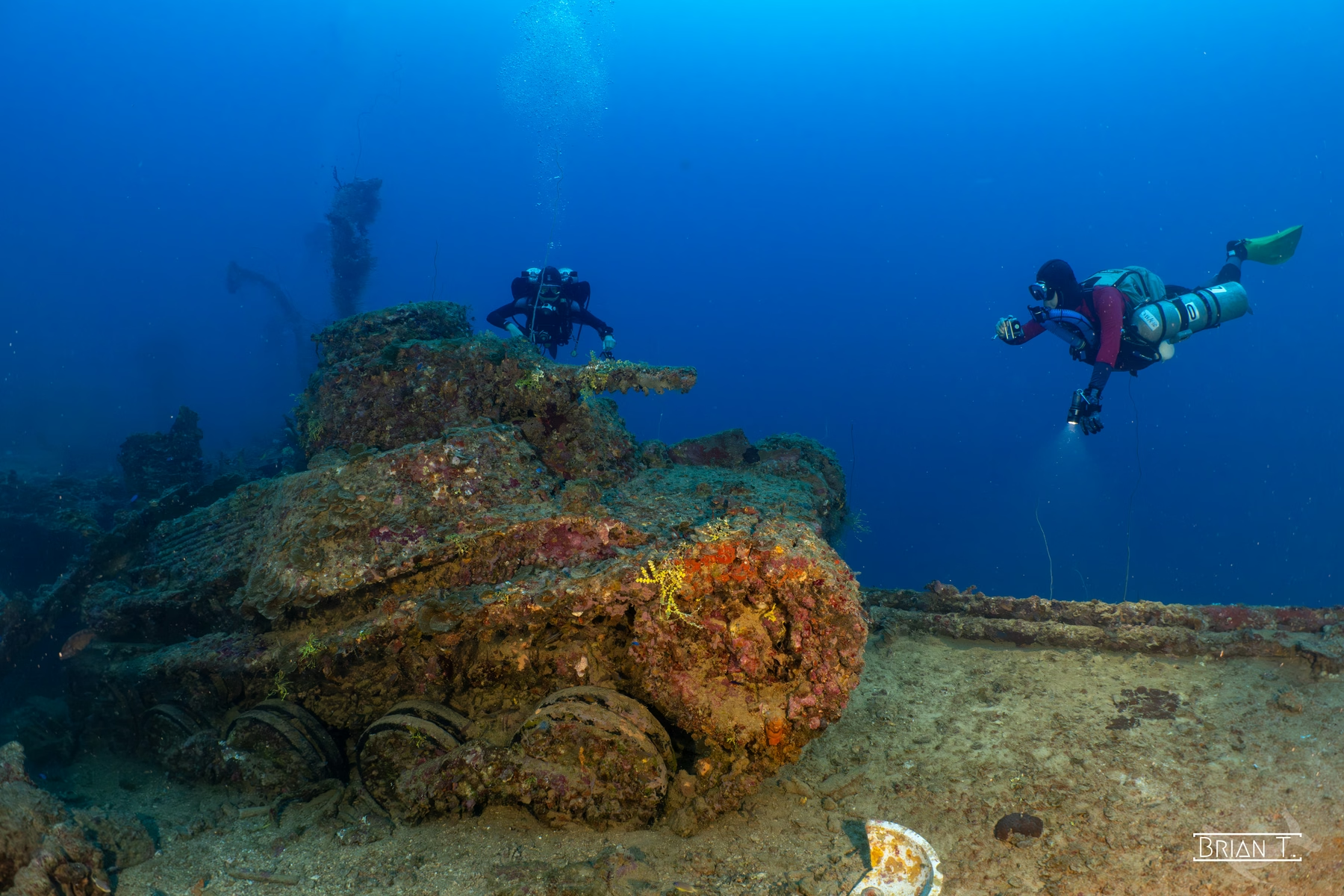
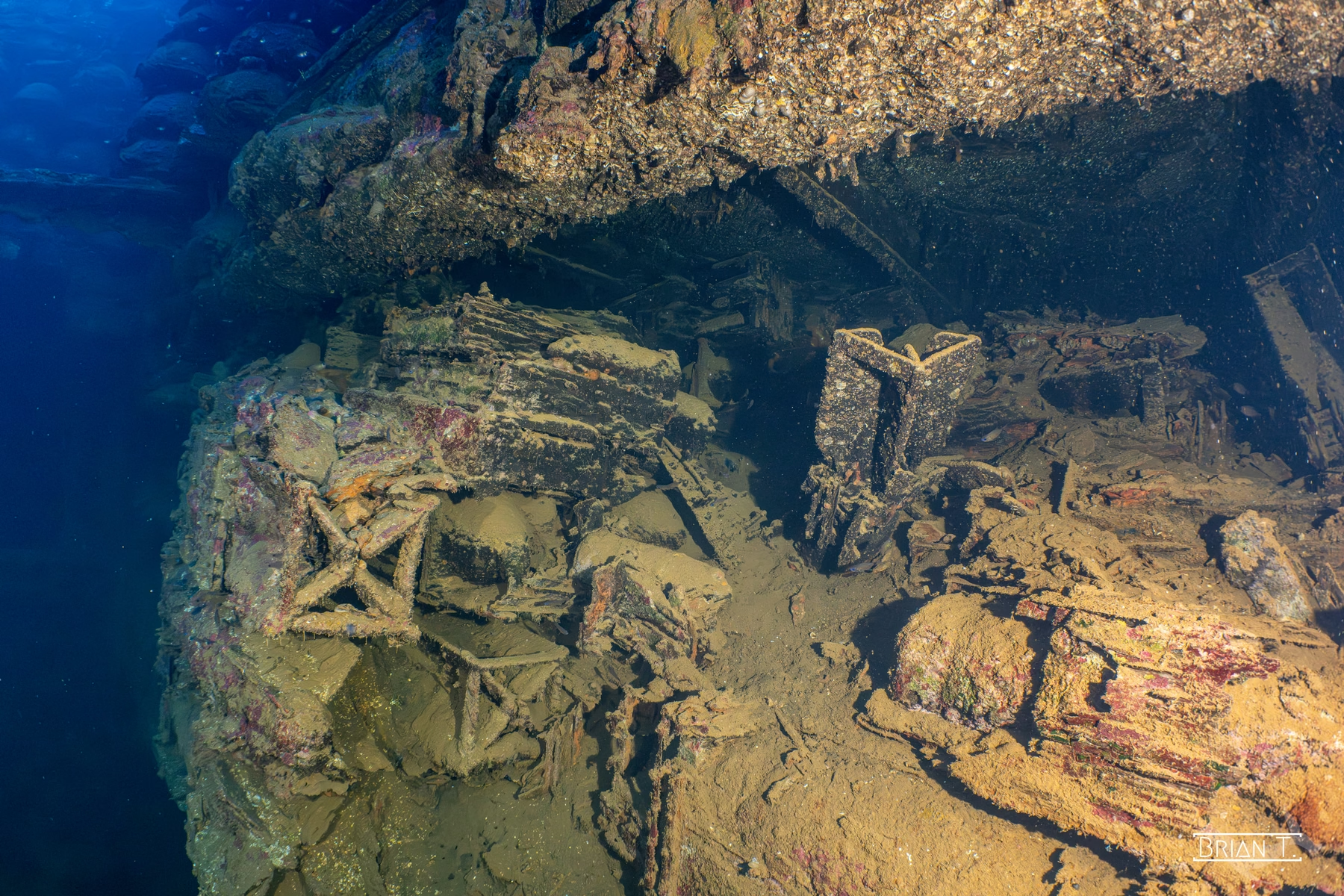
Some of the cargo is heavier than trucks. San Francisco Maru, known to divers as the "Million Dollar Wreck" for the sheer value of war materiel she carries, still has light tanks chained to her deck, along with trucks, mines and stacked munitions. She sits deep, the main deck past fifty metres, and you do not get long with her. You spend that time well.
There is something about a tank on the deck of a sunken ship that the mind refuses to file neatly. It is too large, too purposeful, too obviously built for land. Coral has softened its edges; a turret is a garden now. But it is unmistakably a tank, sixty metres down, exactly where it was loaded - and the war it was loaded for has been over for eighty years.
有些货物比卡车更沉。旧金山丸(San Francisco Maru),潜水员叫它"百万美金沉船",因为它所载战争物资的惊人价值,甲板上至今还用铁链固定着几辆轻型坦克,还有卡车、水雷和成堆的弹药。它沉得很深,主甲板在五十米以下,你在它身边待不了太久。所以那点时间,要用得值。
一辆坦克出现在一艘沉船的甲板上,这件事是大脑无论如何都归不进档案的。它太大,太有目的性,太明显地是为陆地而造。珊瑚已经磨软了它的棱角;一座炮塔如今是一座花园。但它毫无疑问是一辆坦克,在六十米深的海底,就停在它被装载的位置,而它所要奔赴的那场战争,已经结束了八十年。
Where the ships still feel like ships 船最像船的地方
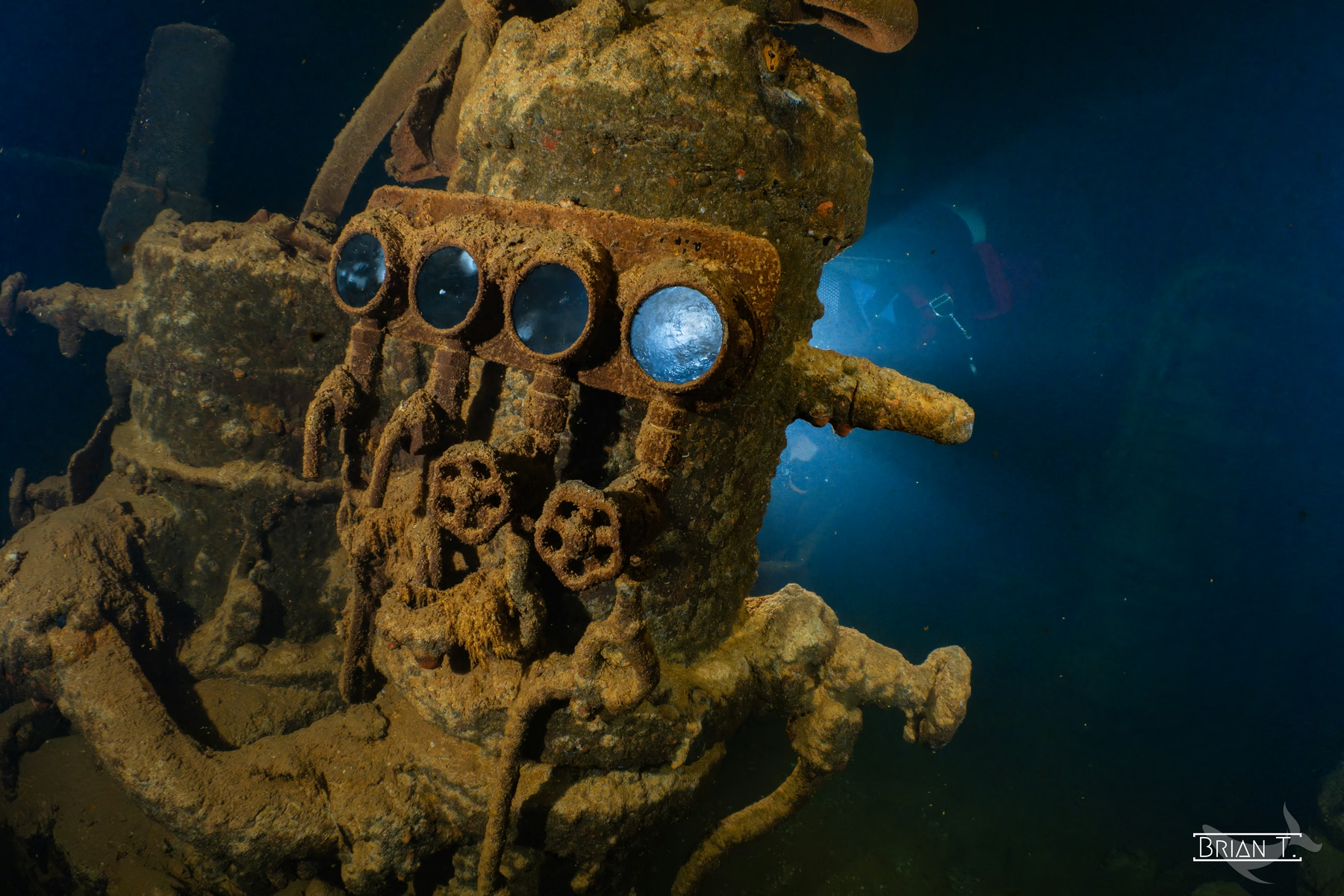
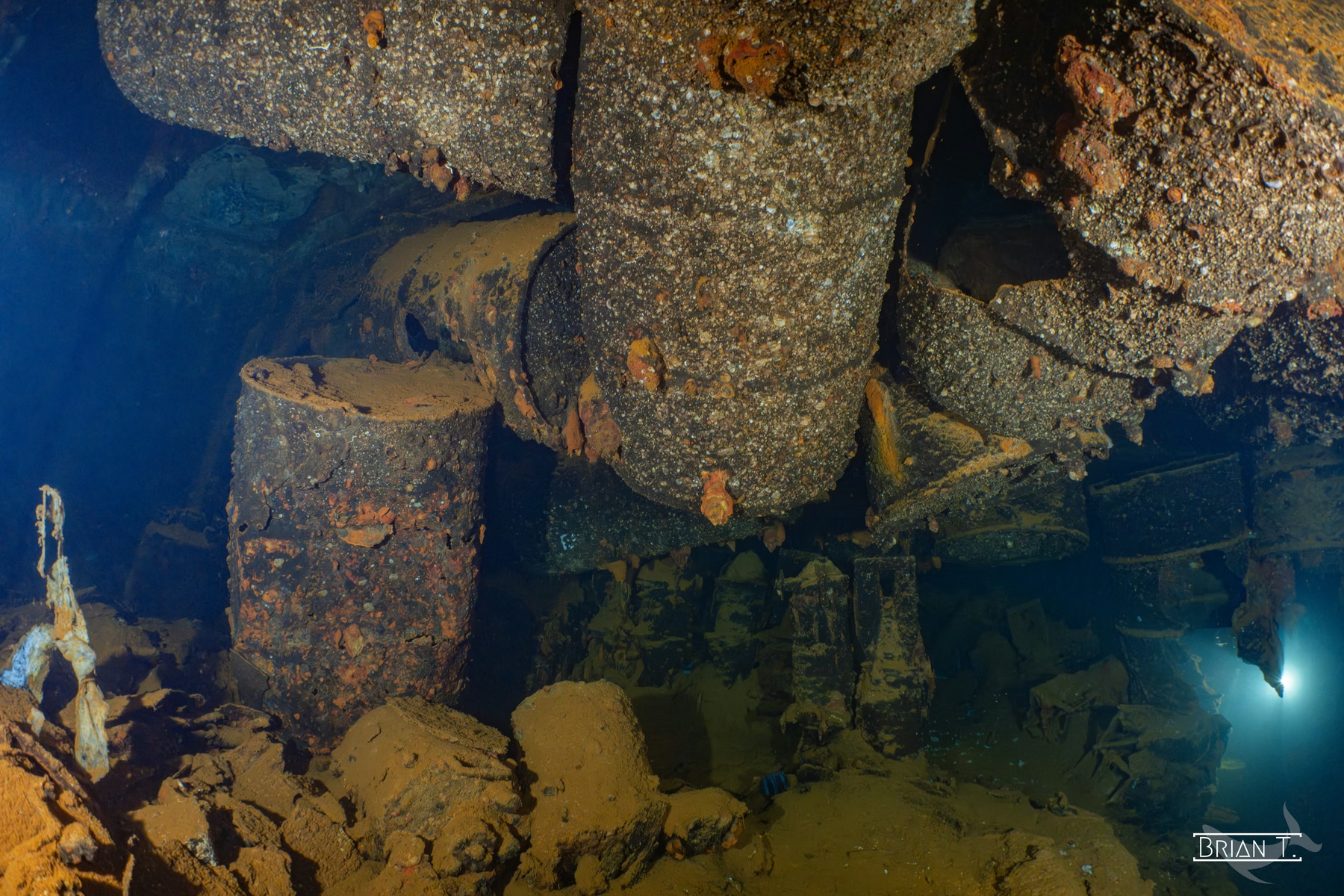
The decks of a wreck belong to the ocean now. The engine rooms still belong to the ship. Deep inside the hull, past the catwalks, down beside the cylinders, the wrecks of Truk feel less like reefs and more like machines that have simply been switched off.
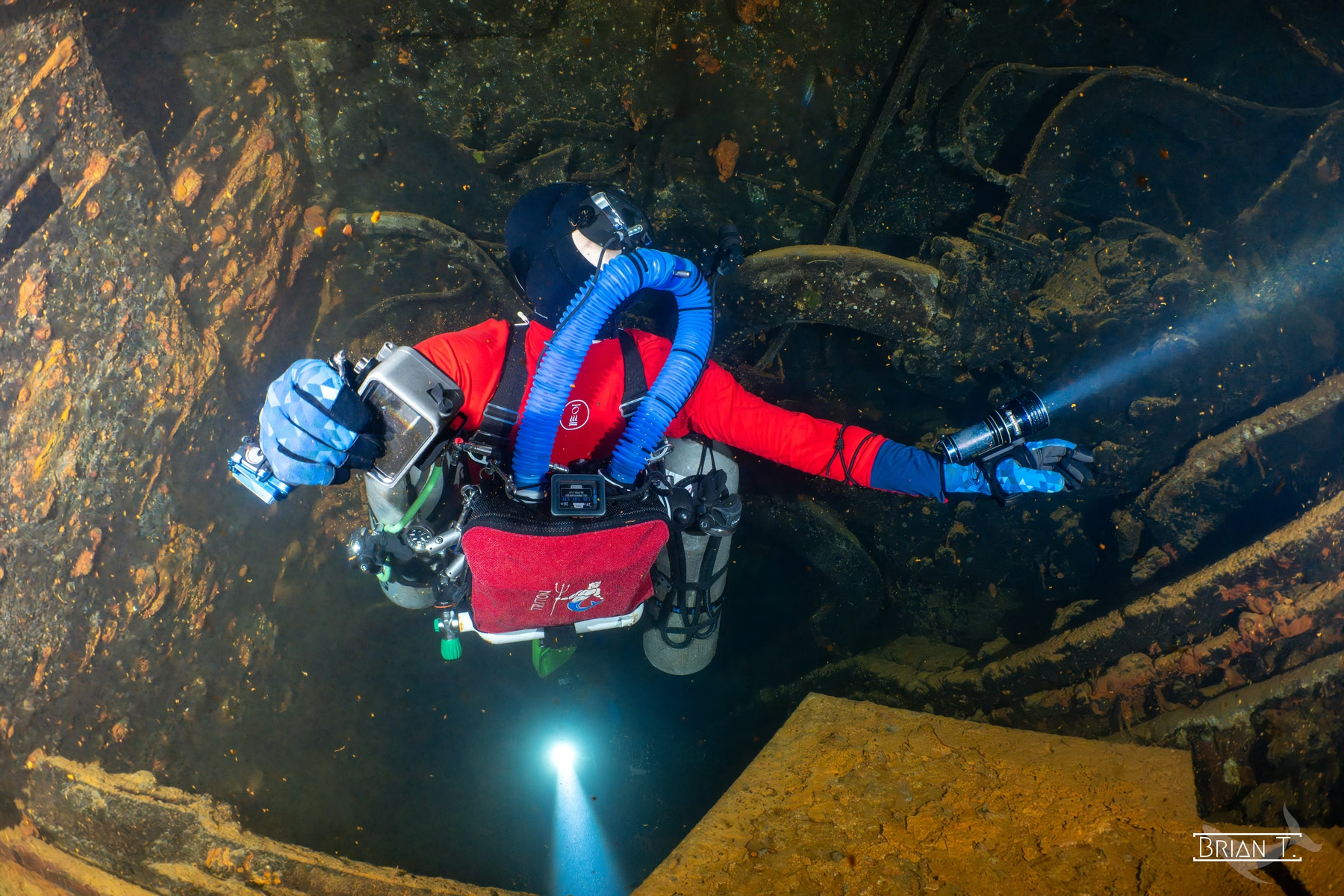
On the better-preserved ships (Kensho Maru, Shinkoku Maru, the destroyer Fumizuki) you can hang in front of an engine-room telegraph and read the gauges, their glass intact, their needles resting wherever they came to rest. Tools still hang on the bulkheads. It is the most intimate place to be on a wreck, and the most demanding: tight, silted, dark, with the way out a long way behind you. Penetration here is not for sightseeing. It is earned with training, planned with a light and a reel, and treated with the seriousness it deserves.
沉船的甲板,如今属于海洋。而机舱,依然属于这艘船。在船体深处,穿过狭窄的走道,沿着一排气缸往下,特鲁克的沉船不再像礁,更像是一台只是被关掉了的机器。
在那些保存更完好的船上,乾祥丸(Kensho Maru)、神国丸(Shinkoku Maru)、驱逐舰文月号(Fumizuki),你可以悬停在机舱的车钟前,读那些仪表:玻璃还在,指针停在它们当年停下的地方。工具仍挂在舱壁上。这是一艘沉船上最私密的地方,也是要求最高的地方:狭窄、淤积、黑暗,而出口在你身后很远的地方。在这里穿越船体,不是为了观光。它要靠训练去换取,要用一盏灯和一只卷线轮去规划,并被以它应得的严肃对待。
It is the small things that stay with you 最后留在你心里的,是那些小东西
In the end it is not the tanks or the guns that follow you home. It is the small things - the human things.
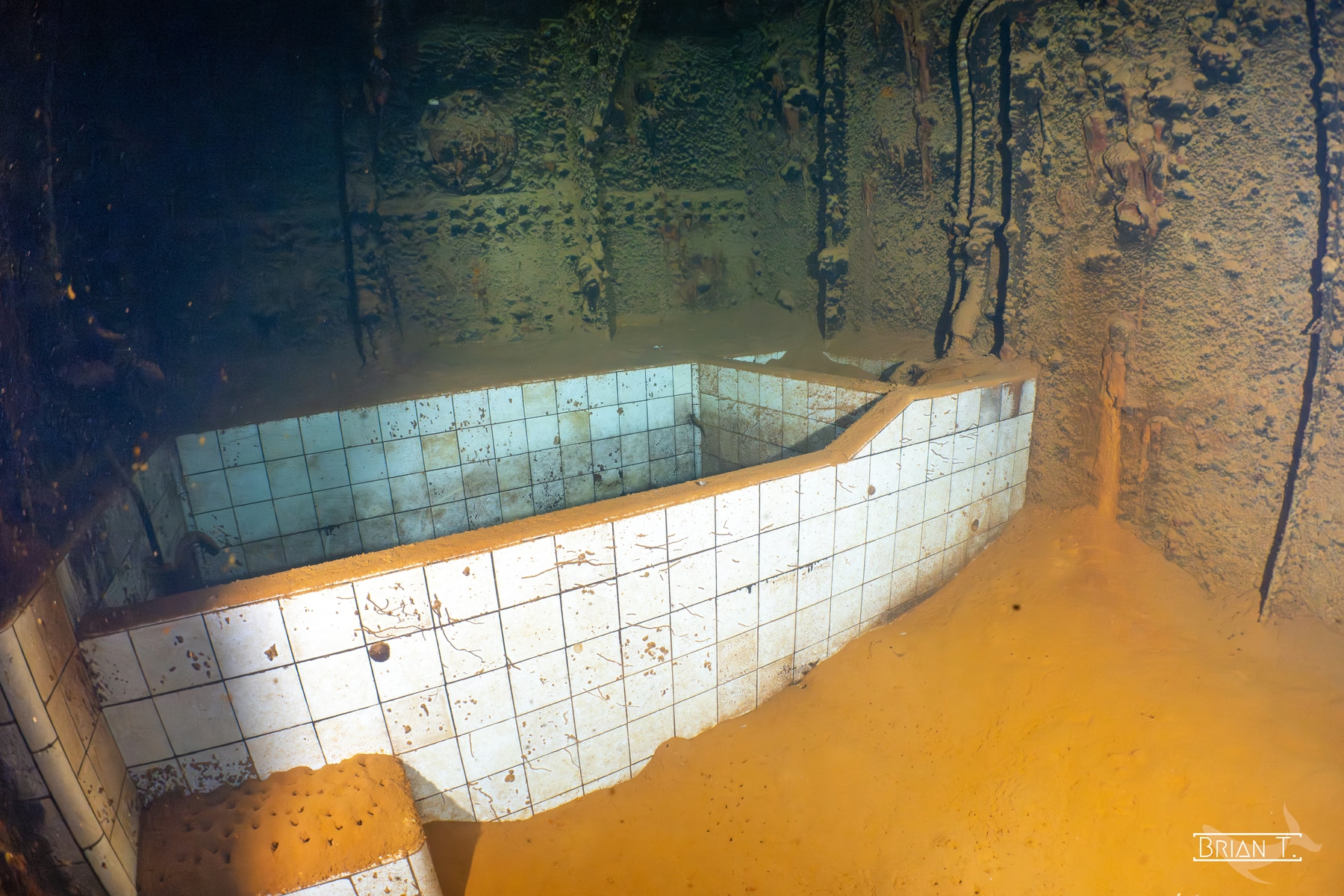
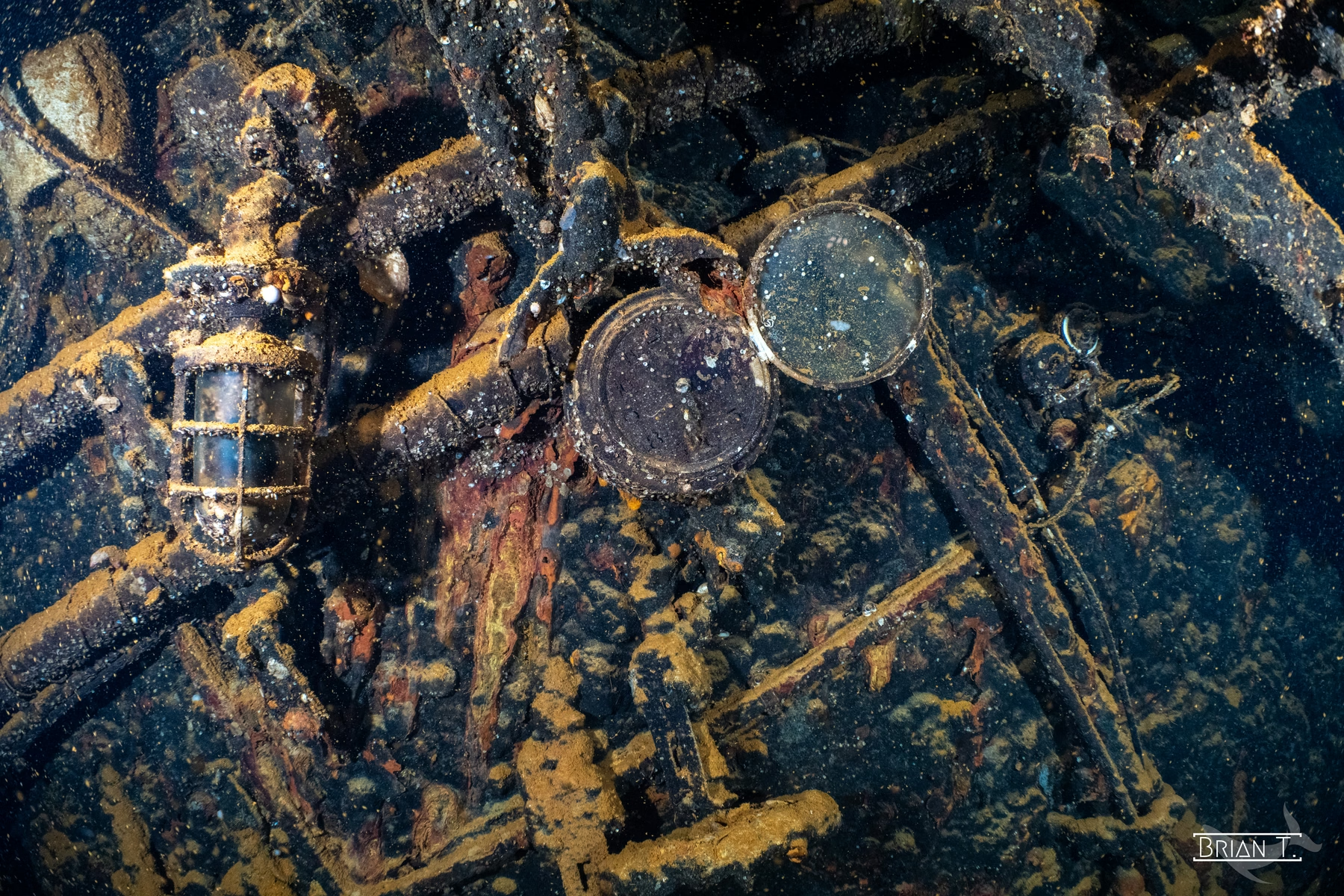
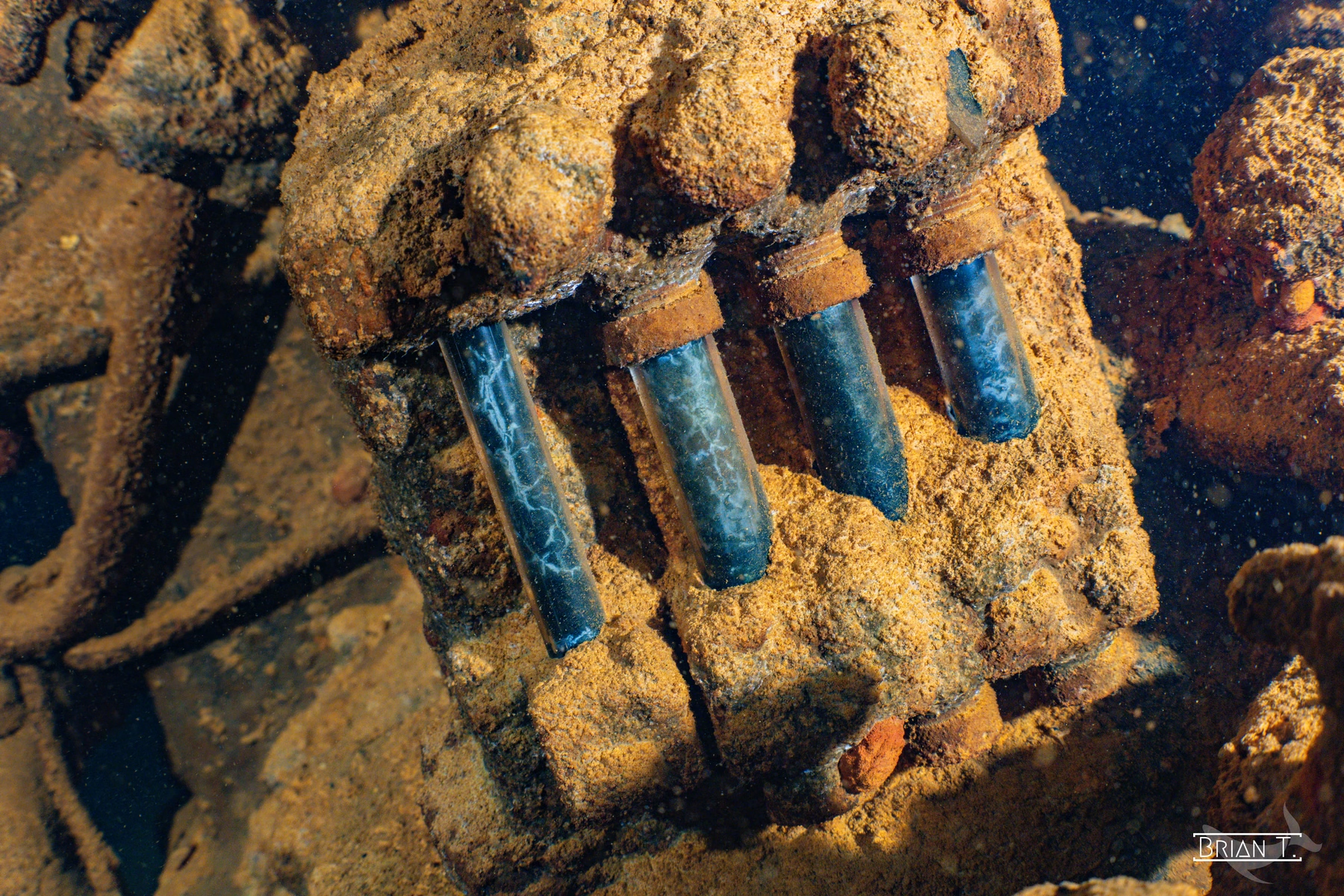
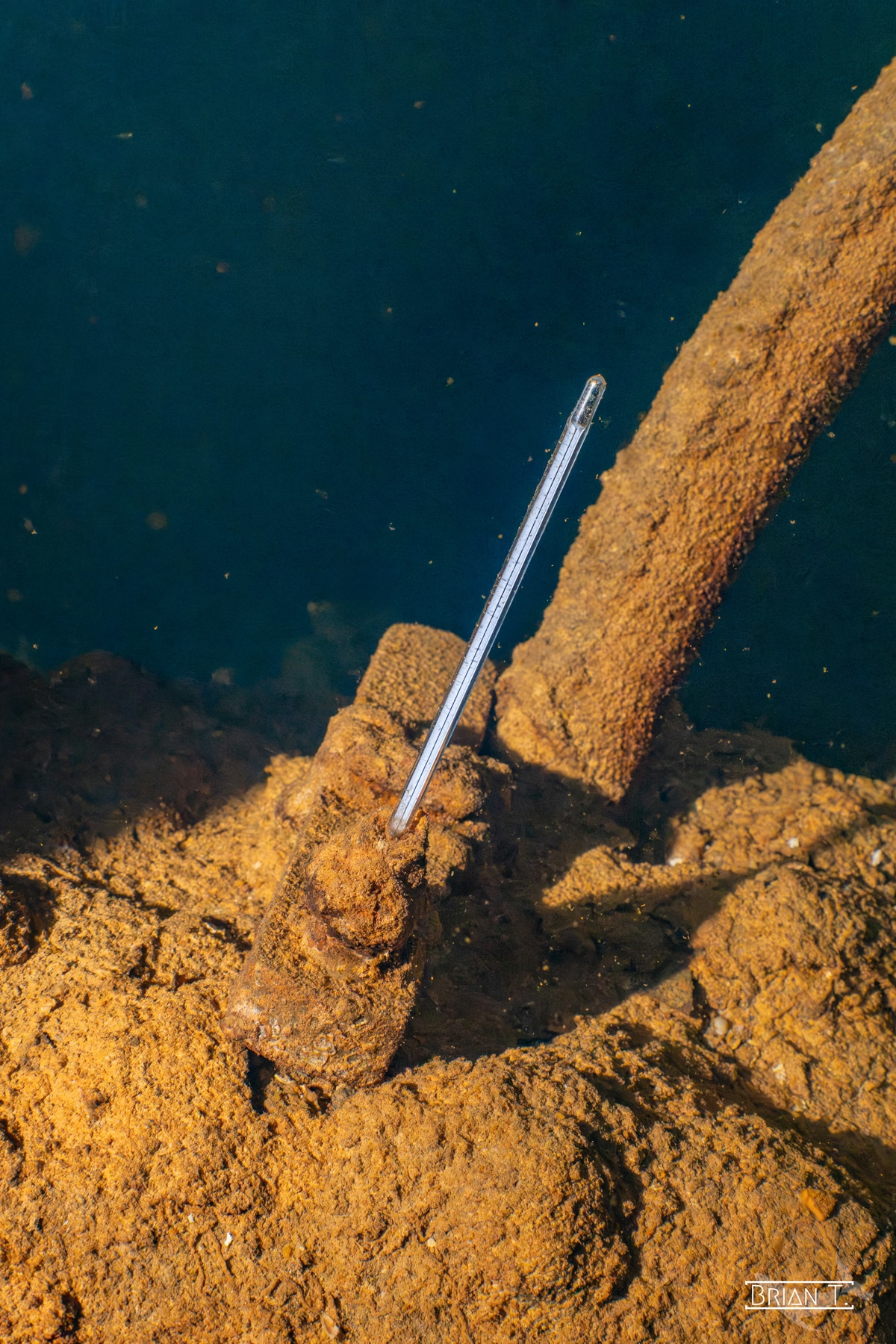
A bathtub, white tiles still bright, plumbed into the wall of an officer's cabin. The medical kit on Heian Maru, bottles and instruments still racked in their case after eighty years underwater. Sake bottles standing in rows where they were stowed. Crockery stacked for a meal that was never served. Lanterns, boots, a wristwatch. The war is in the cargo - but the people are in the details, and the details are unbearably ordinary.
That is the thing nobody quite prepares you for. You expect a battlefield. You find, instead, a interrupted afternoon.
到最后,跟着你回家的,不是坦克,也不是大炮。是那些小东西,那些属于人的东西。
一个浴缸,白瓷砖还亮着,接在一间军官舱室的墙上。平安丸(Heian Maru)上的医疗包,在水下八十年之后,瓶瓶罐罐和器械仍整整齐齐码在箱子里。清酒瓶站成一排,就在它们被收纳的地方。瓷器叠好,等着一顿永远没能开席的饭。马灯,靴子,一只手表。战争在货舱里,而人,在这些细节里;这些细节,平常得让人受不了。
这是没有人能真正替你做好准备的一点。你以为会看到一个战场。你看到的,却是一个被打断的下午。
Diving with respect 带着敬意下潜
It is worth saying plainly, because the beauty of the place can make it easy to forget: these wrecks are graves.
When Hailstone struck, thousands of Japanese sailors and merchant crew died in this lagoon. Aikoku Maru took a bomb directly into her cargo of ammunition and was destroyed in a single enormous explosion - her bow is simply gone, and almost no one aboard survived. The submarine I-169 went down in 1944 with her crew sealed inside; it is, by any measure, the saddest story in the lagoon. Many of those men are still here, inside the steel.
So you dive these ships as a guest in a place that is not yours. You move slowly. You touch nothing and take nothing. You look, and you remember whose home, whose resting place, you are passing through.
有必要把话说明白,因为这地方的美,会让人很容易忘记这一点:这些沉船,是坟墓。
"冰雹行动"来袭时,成千上万的日本水兵和商船船员葬身在这片泻湖里。爱国丸(Aikoku Maru)被一枚炸弹直接命中弹药舱,在一声巨大的爆炸里被彻底摧毁,它的船艏整个不见了,舱内几乎无人生还。潜艇伊-169(I-169)在1944年沉没,全体艇员被封闭在里面;无论怎么衡量,这都是泻湖里最令人难过的故事。这些人中的许多,至今仍在这里,在钢铁的内部。
所以你潜这些船,是作为一个客人,进入一个不属于你的地方。你动作放慢。你什么都不碰,什么都不取。你只是看,并且记得:你正经过的,是谁的家,是谁安息的地方。
A note on these wrecks: Truk Lagoon's ships are protected sites, and many are formally designated war graves. We dive them as visitors - nothing is moved, nothing is removed, nothing is left behind. The artifacts you see in these photographs remain exactly where they rest.
关于这些沉船:特鲁克泻湖的舰船是受保护的遗址,其中许多被正式列为战争公墓。我们以访客的身份潜入,不移动,不带走,不留下任何东西。照片里的这些遗物,至今仍停在它们安息的原处。
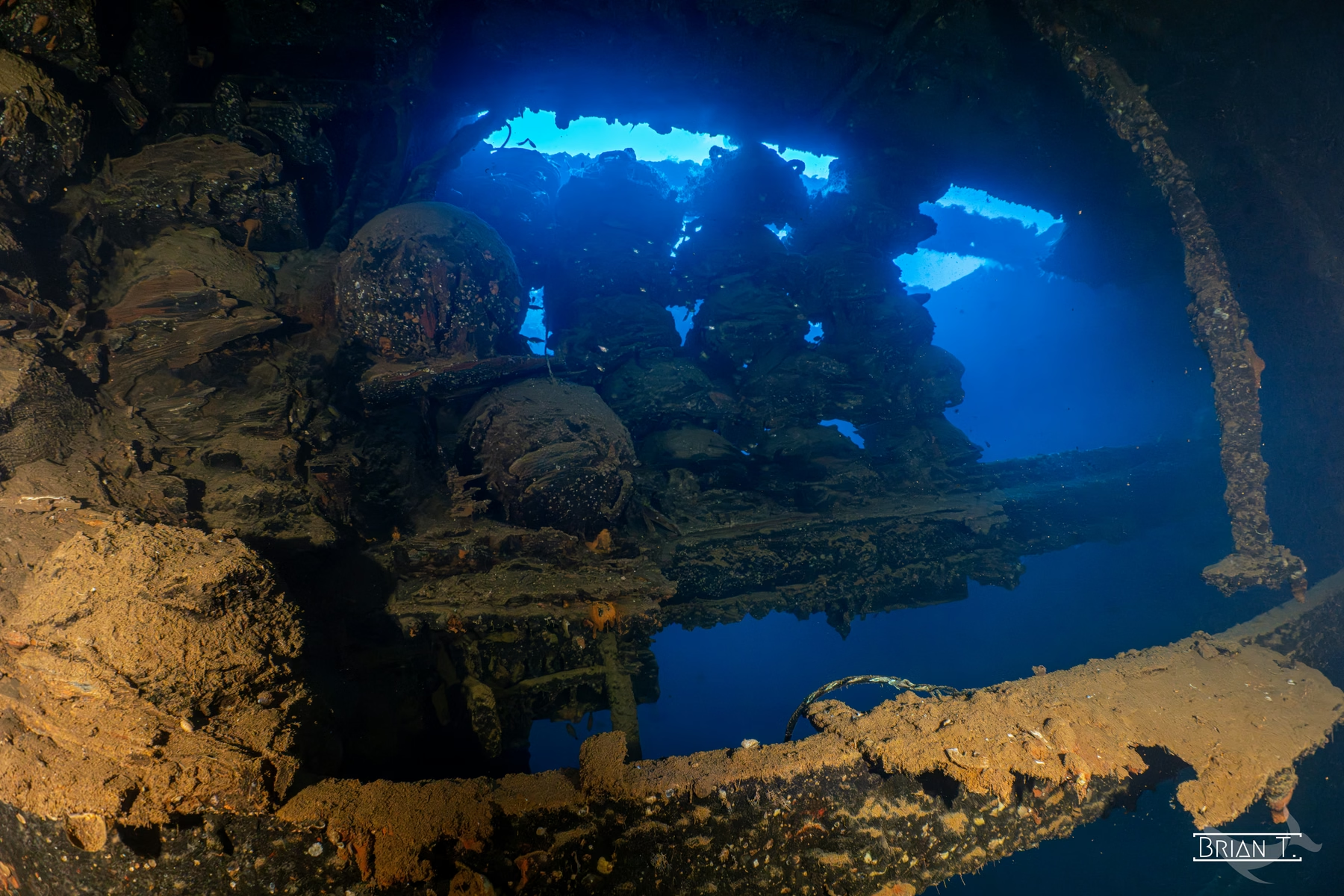
I came to see a ghost fleet. I left having met a reef, a graveyard, a museum and a memorial - all of it the same forty ships. 我是来看一支幽灵舰队的。离开时,我遇见的却是一片礁、一座坟场、一间博物馆和一座纪念碑,而它们,是同样的那四十艘船。
Eighty years is long enough for the ocean to forgive 八十年,足够海洋原谅
And yet Truk is not, in the end, a sad place to dive. Eighty years is long enough for the ocean to take the wrecks back and make them entirely its own.
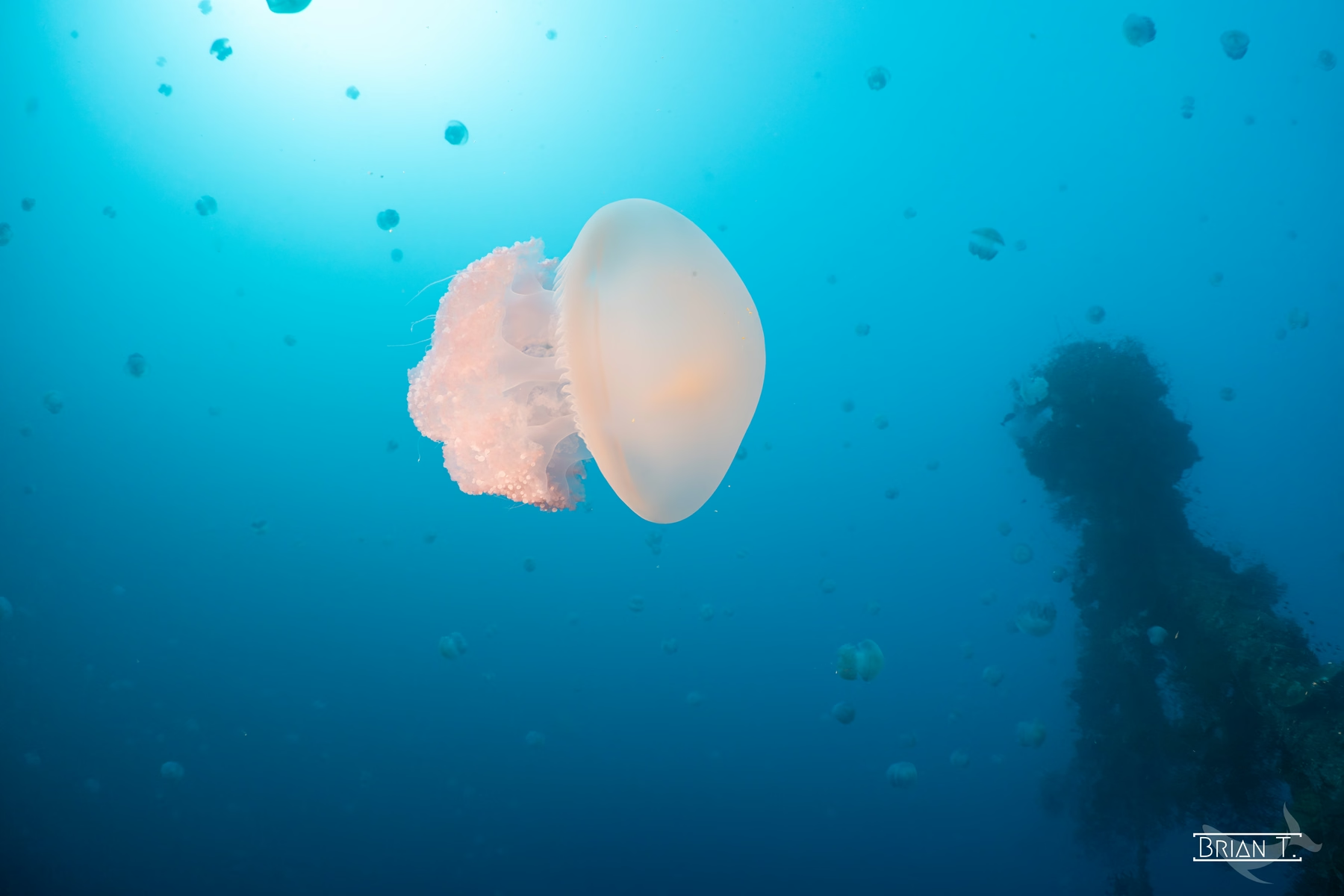
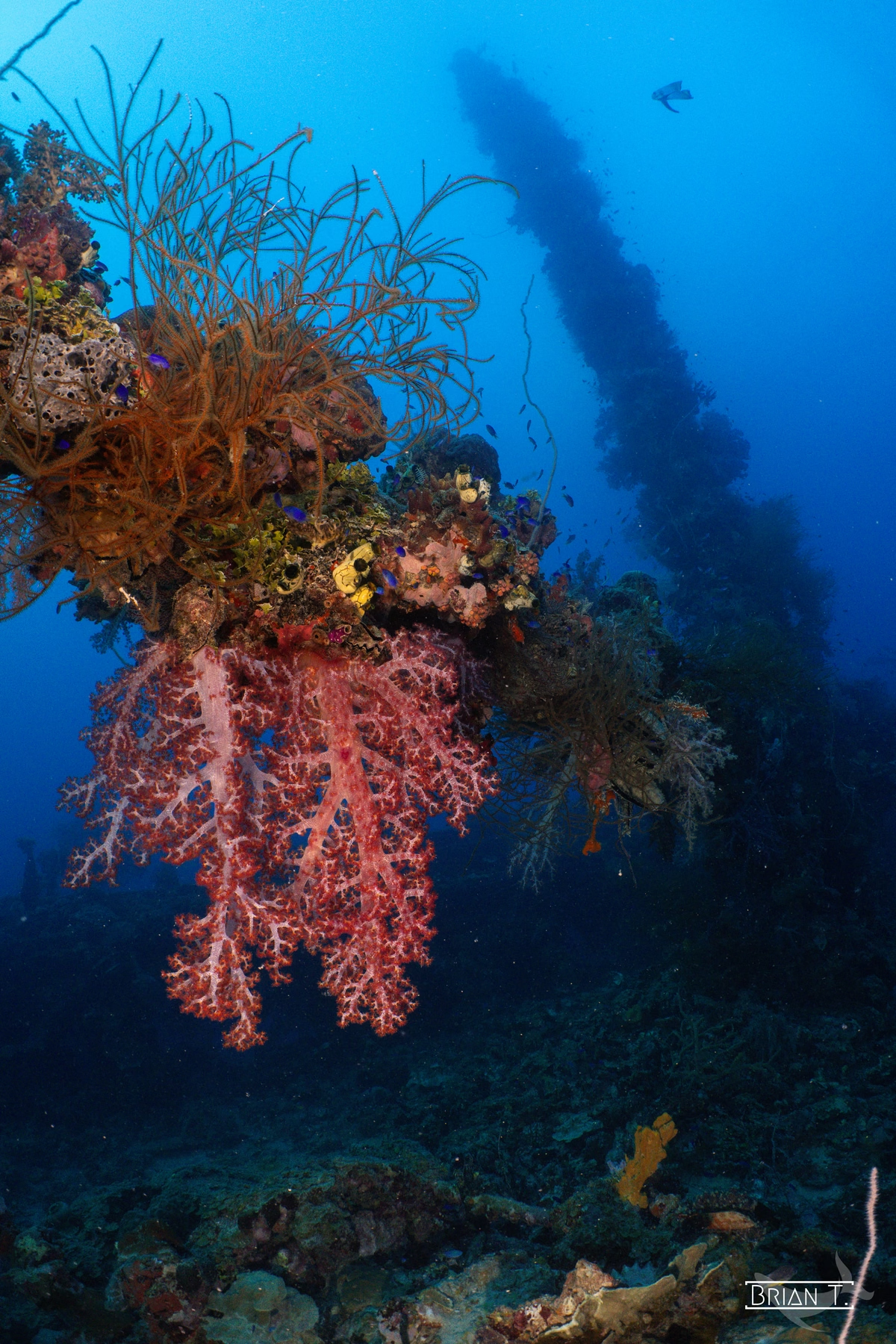
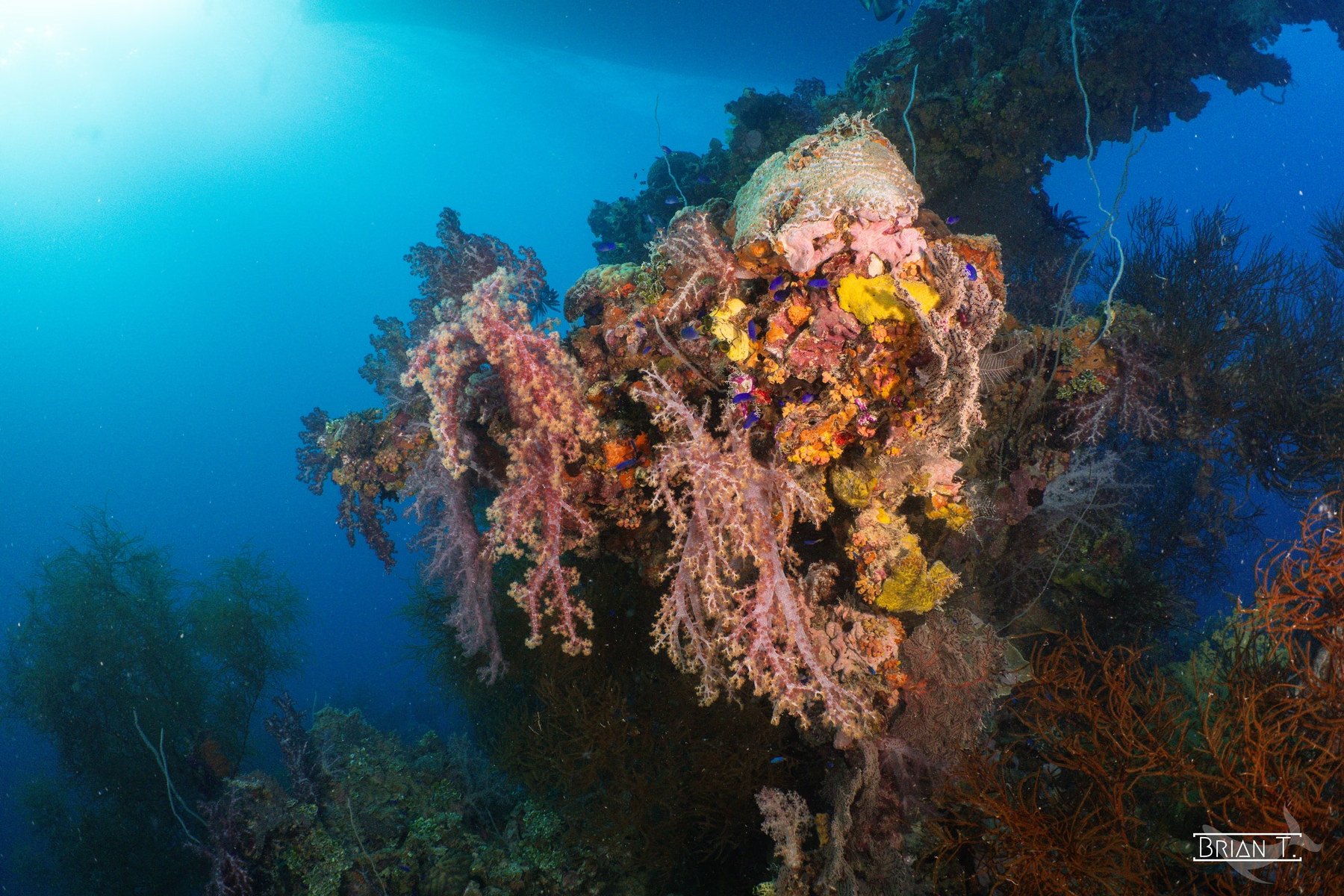
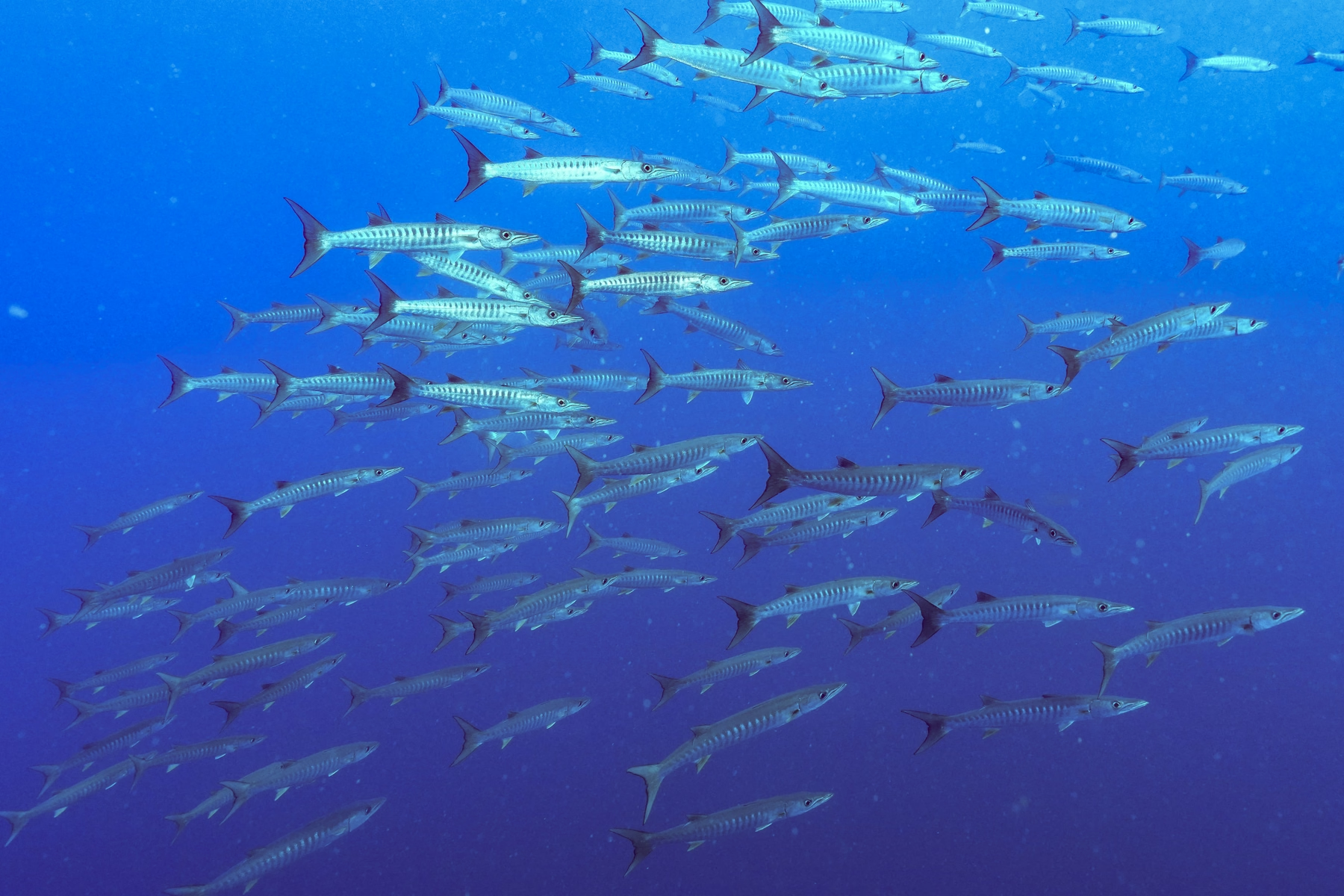
Hard coral has cemented itself over gun barrels. Soft coral in violent reds, pinks and yellows hangs off every railing and kingpost. Anthias swarm the masts in shifting clouds; barracuda hang motionless in the blue above the holds; reef sharks patrol the deeper decks. The steel was built and loaded to carry a war - and it has spent four times longer as the foundation of a reef than it ever spent as a ship.
That is the strange, double vision Truk gives you. Every wreck is a war and a garden at once, and you never quite stop seeing both.
然而到最后,特鲁克并不是一个让人难过的潜点。八十年,足够海洋把这些沉船重新收回,彻底变成它自己的东西。
硬珊瑚把炮管包裹、固结成礁。软珊瑚以浓烈的红、粉、黄,从每一道栏杆、每一座吊杆柱上垂下来。金鳞鱼成群,在桅杆间汇成不断变形的云;梭鱼一动不动地悬在货舱上方的蓝色里;礁鲨在更深的甲板上巡游。这些钢铁,被建造、被装载,是为了运送一场战争,而它作为一片礁的基底所度过的时间,已经是它作为一艘船的四倍。
这就是特鲁克给你的那种奇异的双重视觉。每一艘沉船同时是一场战争,也是一座花园,而你始终无法只看见其中一面。
A story you enter rather than read 一个你走进去、而不是读出来的故事
Someone asked me, on the boat between dives, why I love wreck diving. I have given clumsy answers to that question for years. Truk finally gave me a clean one.
A wreck is a story you enter rather than read. It is history with a temperature and a current, history you have to earn with training and gas planning and a cool head in the dark. You do not stand in front of it behind a rope. You swim through the middle of it, and it asks something of you in return - care, respect, restraint.
Truk Lagoon sat at the top of my list for a very long time, and it earned every year it spent there. I came to see a ghost fleet. I left having met a reef, a graveyard, a museum and a memorial - all of it the same forty ships, all of it still down there in the warm blue, waiting for the next diver to roll off the boat and follow the line into it.
在两潜之间的船上,有人问我,为什么这么喜欢沉船潜水。这个问题,我笨拙地回答了很多年。特鲁克终于给了我一个干净的答案。
一艘沉船,是一个你走进去、而不是读出来的故事。它是有温度、有流的历史,是你必须用训练、用气体规划、用黑暗中的冷静去换取的历史。你不是隔着一根绳子站在它面前。你从它的正中间游过去,而它也会反过来向你要一些东西:小心,敬意,克制。
特鲁克泻湖在我的清单顶端待了很久很久,而它配得上它待过的每一年。我是来看一支幽灵舰队的。离开时,我遇见的是一片礁、一座坟场、一间博物馆和一座纪念碑,它们是同样的那四十艘船,全都还在那片温暖的蓝色里,等着下一个潜水员翻身入水,顺着下潜线,潜进它的故事。
I filmed the whole expedition and posted it to RedNote, wreck by wreck - eleven ships, seventeen videos.
整趟探险我都拍成了视频,一艘船、一艘船地发在小红书上,十一艘沉船,十七支视频。